
13 Things Your Friend with Depression Wants You to Know
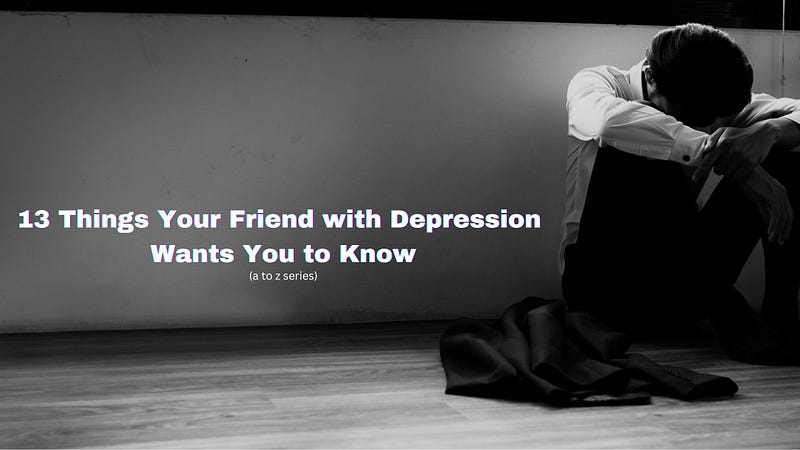
Depression is a battle within oneself, often fought in the shadows where the light of hope seems dim and elusive. I know this battle intimately, having travelled its challenging terrain. In the depths of depression, I wrestled with a mind that seemed to betray me; a heart weighed down by unexplainable sorrow. Days blurred into nights, tears streaming down my face without an apparent reason.
It was a wild journey.
The worst part about my journey was being misunderstood. Some said I was overthinking, and some thought my lack of physical activeness was the reason behind my gloomy nature. I never had enough words to make them precisely understand what I was going through. This blog is all about what I wanted to tell people throughout my struggle.
Being depressed doesn’t mean I am sad, overthinking, or lazy. It is a real struggle that breakpieces in a way you can never explain. Physical Activity or music or going out can soothe it but lack of it can never be the reason. UNDERSTAND BEFORE MAKING A STATEMENT. Depression is never a choice, it’s a mental state that evolves eventually without a warning.

Here are 13 things your friend with depression wants you to know, helping you navigate this complex journey together:
1. Depression is a Genuine Battle
The first and foremost thing to understand is that depression is a real battle, not a mere emotional impulse. It’s an authentic and valid mental health disorder that can impact seriously on a person’s daily life, thoughts, and emotions. Your friend is facing a genuine struggle, and it’s vital to recognize and acknowledge their reality.
2. It’s Not About Seeking Attention
Depression is not an attention-seeking behavior. It’s not about craving sympathy or trying to gain focus. People with depression often suffer in silence, hiding their pain because they fear being judged or misunderstood. It’s essential to understand that depression is a genuine mental health issue that needs compassion and support.
3. Listening Matters More Than Fixing
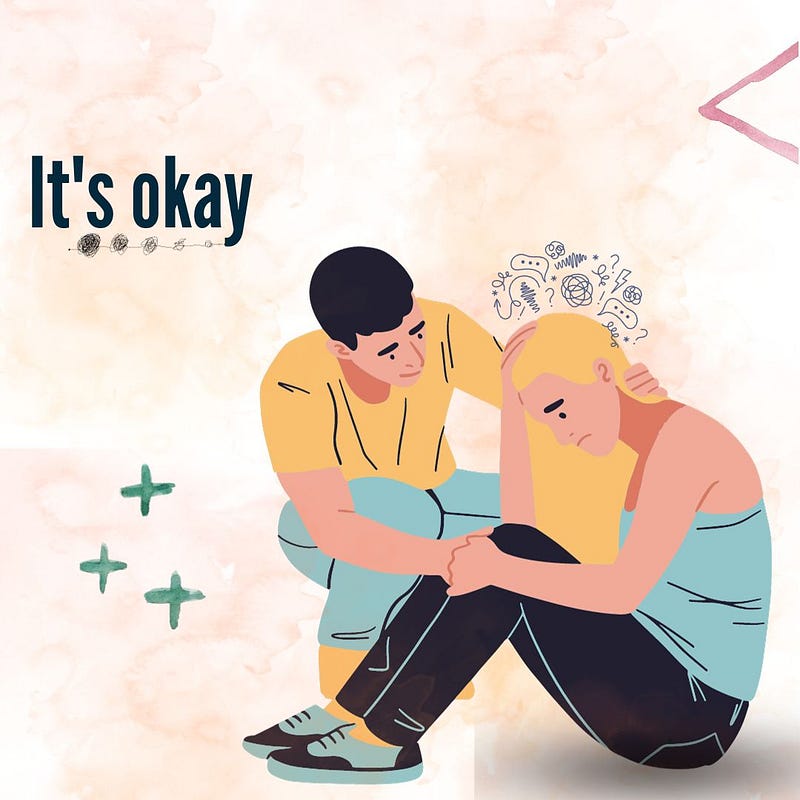
When your friend opens up about their feelings, they need someone to listen, not to provide quick solutions. Avoid offering immediate fixes or downplaying their emotions. Sometimes, all they need is a compassionate listener without any judgment. Be patient, allowing them to express themselves at their own pace.
4. Avoid Stigmatization and Judgment
Depression often carries a social stigma, causing those suffering from it to feel judged or isolated. Be mindful of your words and actions, steering clear of any form of judgment. Offer empathy and kindness, creating a safe and supportive environment where your friend feels understood and respected.
5. Encourage Professional Help
Your support is invaluable, but it’s essential to acknowledge your limitations. You’re not a mental health professional. Encourage your friend to seek help from a qualified therapist or counsellor who can provide the appropriate guidance and treatment. Offer to assist them in finding a healthcare professional or accompany them to appointments if they’re comfortable.
6. Consistency and Reliability
Consistency in your support is vital for your friend. Depression often causes individuals to isolate themselves, making regular contact more critical. A simple text or call asking how they’re doing can mean the world to them and tell them you’re consistently there for them.
7. Educate Yourself on Depression
Take the initiative to educate yourself about depression, including its symptoms and how it affects people. Understanding the condition will enable you to provide better support and demonstrate empathy toward your friend’s experiences.
8. Patience and Understanding are Crucial
Recovery from depression is a lengthy process that requires patience and understanding. Be patient with your friend, realizing their healing journey may involve ups and downs. Offer unwavering support through the process, showing them that you’re there for them, no matter the pace of their recovery.
9. Express Your Love and Support Openly
Make sure your friend knows you care deeply for them. Express your love and support openly and honestly. Small gestures, kind words, and genuine acts of love can make a significant difference in their lives and reinforce the idea that they are not alone in this fight.
10. Encourage Self-Care and Healthy Habits
Assist your friend in establishing and maintaining healthy routines, including exercise, a balanced diet, and adequate sleep. Encourage them to engage in enjoyable and relaxing activities, as self-care is crucial in managing depression.
11. Recognize their Strength
Depression often makes individuals doubt their strength and resilience. Remind your friend of their inner strength and stability, highlighting moments when they overcame challenges. Reinforce the belief that they have the power to fight this battle and emerge stronger.
12. Be Patient with Their Isolation
Depression can cause social retreat and isolation. Understand that your friend’s reluctance to engage does not reflect their feelings towards you. Be patient and let them know you’re there whenever they’re ready to reconnect.
13. Be Their Anchor, Not Their Therapist
While being supportive is crucial, it’s equally vital to set boundaries. You can be a reliable anchor for your friend, but remember that you’re not a therapist. Motivate them to speak to a therapist or counsellor who can provide help and guidance.

Cultivating Compassion and Understanding
In conclusion, our society must shatter mental health stigma, replacing it with compassion and empathy. Educate yourself, be patient, and, above all, let your friends know they’re not alone in this battle. Let us cultivate an environment where individuals feel supported, understood, and embraced during their darkest hours. No one should face the struggle with depression alone. By standing together, we can create a world where love, understanding, and kindness prevail, lighting the way for all those on their journey to recovery.
Disclaimer: This post may contain affiliate links. If you click and buy, we may receive a small commission at no extra cost to you. Read our full disclosure here.
