
Bipolar Disorder — What, Why, How

Welcome to the journey of Bipolar Disorder — a rollercoaster ride through the intricate landscapes of the human mind. Picture a magnificent sunrise, casting the sky in vibrant shades of orange and pink. This breathtaking scene is a poignant metaphor for the manic phase, where life unfolds as an endless adventure. Thoughts rev up like a Formula 1 car, ideas surge like a mighty river, and possibilities stretch to infinity.
It’s as if you’ve been graced with wings, propelling you through life’s boundless skies, where you take center stage in your own gripping, action-packed drama.
But beware! The rollercoaster soon takes an unexpected plunge into darkness. The manic high is followed by the depressive low, much like the sun setting, casting the world in shadows. Simple tasks become herculean challenges, and you are trudging through a thick fog of sadness and exhaustion.
That’s the feel of the Devil!

What is Bipolar Disorder?
Bipolar disorder, from a scientific perspective, is a mental health condition marked by significant and sometimes unforeseeable changes in mood, energy levels, and activity. People with bipolar disorder go through episodes of intense euphoria or heightened energy called mania or hypomania, as well as periods of profound sadness and decreased energy, known as depression. These mood shifts can vary in intensity and duration, disrupting a person’s everyday life.
The Rollercoaster Cart: Our Brain
Let’s dive deeper into this rollercoaster adventure. Picture a rollercoaster cart as our brain, our control center. Inside, we have neurotransmitters — tiny messengers that regulate our mood. They are the dedicated workers at an amusement park. Sometimes, they’re hyperactive, creating manic loops with boundless enthusiasm. Other times, they slow down, causing depressive drops.
Think of these neurotransmitters as the conductors of our rollercoaster symphony. When the manic conductor waves their wand, the orchestra plays a frantic, compelling tune. And when the depressive conductor takes over, the music turns sombre, like a mournful ballad.

Symptoms of Bipolar Disorder
Mania:
- Intense euphoria and boundless energy
- Reduced need for sleep without fatigue
- Racing thoughts, rapid speech, and jumping between ideas
- Impulsivity, risky behaviour, and lack of caution
- Feeling invincible and having grandiose beliefs
Depression:
- Overwhelming sadness, hopelessness, and emptiness
- Profound fatigue and diminished energy
- Changes in appetite and sleep patterns
- Difficulty concentrating and making decisions
- Recurrent thoughts of death or suicide
To diagnose Bipolar Disorder, you must collect these clues — like manic racing thoughts or depressive exhaustion. These clues form a pattern that helps doctors recognize the disorder.
But here’s where the stigma creeps in. Misconceptions often lead people to believe that individuals with Bipolar Disorder are just moody or unstable. These stereotypes can discourage individuals from seeking help and create a barrier to understanding and empathy.
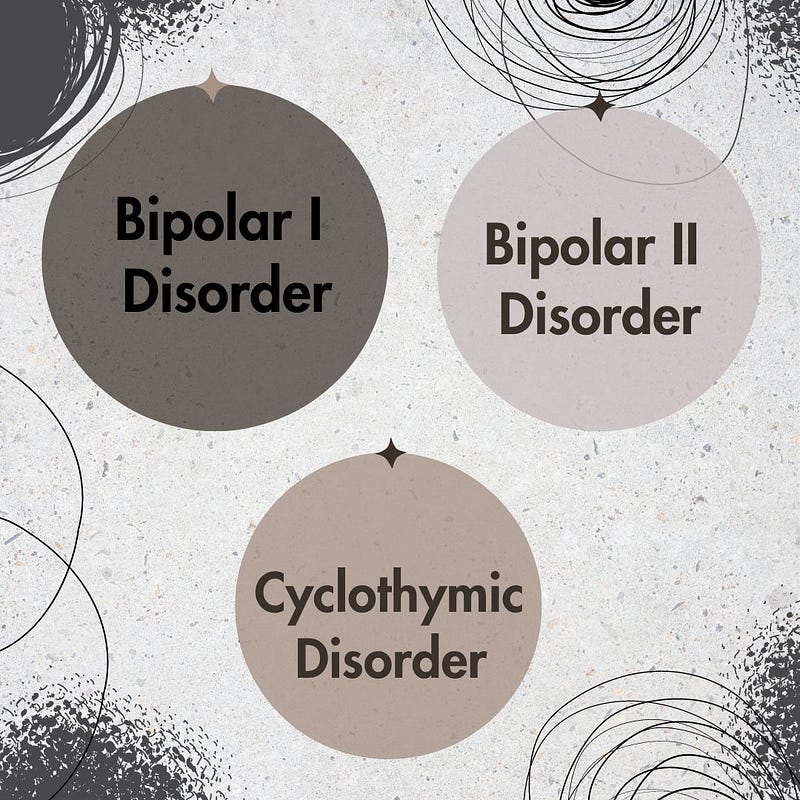
Types of Bipolar Disorder
Bipolar I Disorder:
- Manic episodes lasting at least a week
- Often require hospitalization due to extreme intensity
- Depressive episodes lasting around two weeks may follow
Bipolar II Disorder:
- Hypomanic episodes last about four days
- Hypomania doesn’t lead to severe disruptions or hospitalization
- Depressive episodes, akin to those in Bipolar I, typically last about two weeks
Cyclothymic Disorder:
- Marked by numerous periods of hypomanic and depressive symptoms
- Symptoms are less severe and of shorter duration than full episodes

The Spectrum of Support
In the vibrant spectrum of life, compassion and support can make a significant difference for someone navigating bipolar disorder. Here’s how you can extend a helping hand:
1. Educate Yourself: Learn about bipolar disorder to understand its complexities. This knowledge can help you provide better support and reduce stigma.
2. Be a Patient Listener: Offer a safe space for them to share their feelings. Sometimes, having someone willing to listen without judgment can provide immense relief.
3. Recognize Their Signs: Familiarize yourself with their individual signs of mood shifts. This awareness allows you to respond appropriately when they might need extra support.
4. Encourage Treatment: Encourage them to seek professional help and adhere to their treatment plan. Support their efforts to manage their condition.
5. Respect Their Boundaries: While supportive, respect their space needs. Understand that there might be times when they prefer solitude.
6. Be Patient and Flexible: Moods can be unpredictable. Patience and flexibility are essential as you navigate their changing emotional landscape.
7. Offer Practical Help: Assist with daily tasks when they struggle with their energy levels. Your support can alleviate stress during challenging times.
8. Normalize Open Conversations: Foster an environment where discussing their feelings and experiences is welcomed. Open conversations can help them feel understood and less isolated.
9. Stay Informed about Medication: If they’re on medication, educate yourself about their drugs and potential side effects. This knowledge can help you understand their experiences.
10. Be There Through Highs and Lows: Offer support consistently, whether they’re experiencing highs or lows. Knowing you’re there can provide a comforting anchor.

The Creativity Connection: Harnessing the Manic Energy
Here’s a fun twist to our rollercoaster adventure: some of the world’s greatest artists, thinkers, and innovators have ridden the Bipolar rollercoaster. The manic phase can be a treasure trove of creativity. Think of it as an artist’s studio where ideas flow freely, a writer’s dream where words pour onto pages like a waterfall.
In this phase, our minds become playgrounds of innovation, creativity, and boundless imagination. It’s a powerful reminder that there’s beauty in the Bipolar rollercoaster, too.
Let’s not Give Up.
Just as the sun rises and sets, bipolar disorder can bring both exhilarating creativity and challenging darkness. Understanding and empathy are essential in helping individuals find balance and stability on this unpredictable journey. By acknowledging the beauty within the Bipolar rollercoaster and extending a hand of support, we can contribute to a brighter and more inclusive world for those with this condition.

PS: Some of the images are created through leonardo.ai through prompt generation.
Disclaimer: This post may contain affiliate links. If you click and buy, we may receive a small commission at no extra cost to you. Read our full disclosure here.
