
Everything you need to about Jungian Psychology
Jungian psychology is one of the most profound and all-encompassing psychological theories. Developed by the Swiss psychiatrist Carl Gustav Jung, it delves into the collective unconscious, archetypes, and individuation, exploring the depths of the human psyche. In this blog post, we will journey through the history, significance, and critical aspects of Jungian psychology, unlocking the secrets of the mind.
History of Jungian Psychology
Born in 1875, Carl Jung developed his psychological theories in the early 20th century, influenced by his mentor, Sigmund Freud, and his own experiences. Unlike Freud, Jung expanded the scope of psychology beyond personal experiences, introducing the concept of the collective unconscious, a shared reservoir of universal symbols and archetypes that connect all of humanity.
Jung’s fascination with mythology, religion, and cross-cultural symbolism led to the formulation of archetypes: innate, universal symbols in dreams, myths, and cultural narratives.

The Collective Unconscious
At the core of Jungian psychology lies the concept of the collective unconscious. Jung proposed that beyond our unconscious, there exists a shared reservoir of universal experiences, symbols, and archetypes that connect all of humanity. Archetypes, innate and universal symbols, are the foundation of this collective unconscious, manifesting in dreams, myths, and religions across cultures. This is not inherited memory, but a universal foundation of psychic structures that predispose all humans to certain common experiences.
Understanding the collective unconscious allows individuals to tap into a shared symbolic language, fostering a sense of unity that transcends cultural and personal differences. It provides a framework for exploring everyday human experiences, making Jungian psychology a powerful tool for personal reflection and understanding.
Archetypes
Archetypes are the symbolic building blocks of the collective unconscious, representing universal themes and motifs that resonate across cultures and time. Examples of archetypes include the Hero, the Shadow, the Anima or Animus, and the Wise Old Man or Woman. These archetypes serve as a symbolic language through which the unconscious communicates, appearing in dreams, myths, and cultural narratives.
Recognizing and exploring these archetypes within oneself is a crucial aspect of Jungian psychology. Individuals gain insights into their motivations, fears, and aspirations by doing so. This process of archetype exploration is integral to personal growth, as it enables individuals to integrate different facets of their psyche and move towards a more balanced and harmonious state of being.
Individuation
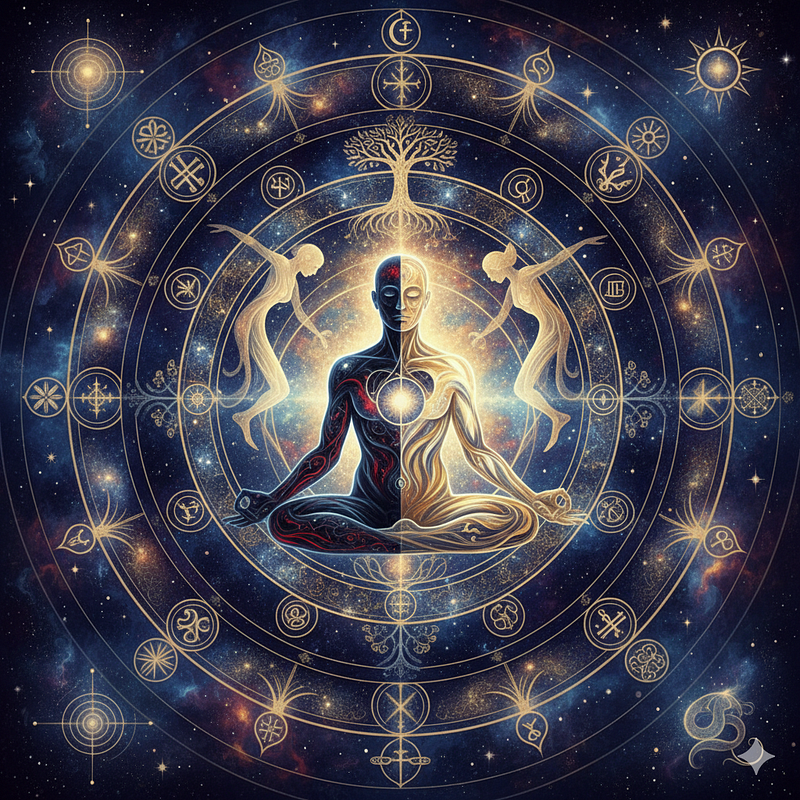
Central to Jungian psychology is individuation — a lifelong process of becoming one’s true self. Individuation involves integrating various aspects of the conscious and unconscious self and reconciling the tensions between opposing forces within. This transformative journey towards wholeness is facilitated by exploring dreams, engaging in active imagination, and confronting the Shadow.
The individuation process is not a destination but a continuous journey of self-discovery and self-realization. By embracing the challenges and insights that arise, individuals move closer to achieving a balanced and authentic sense of self.
Relevance of Jungian Psychology
In today’s world, Jungian psychology remains relevant for several reasons. Its emphasis on the collective unconscious speaks to the universality of human experiences, providing a framework for understanding shared symbols and archetypes across cultures. In an era marked by cultural diversity, Jungian psychology offers a bridge, connecting individuals through the common threads of the human psyche.
It invites individuals to explore the depths of their unconscious, promoting self-awareness and the integration of different aspects of the self. This process fosters resilience, adaptability, and a sense of purpose in facing life’s challenges.
The Practical Impact in Daily Life
Understanding and incorporating Jungian psychology into daily life can profoundly affect well-being, relationships, and personal growth. Here are some ways in which Jungian principles can make a tangible impact:
1. Increased Self-Awareness:
Jungian psychology encourages introspection and self-reflection, fostering a heightened self-awareness. By exploring the contents of the unconscious mind, individuals can gain insights into their motivations, fears, and desires. This awareness lays the foundation for making more conscious choices in various aspects of life.
2. Integrating the Anima/Animus for Improved Relationships:
The concept of anima and animus in Jungian psychology underscores the integration of feminine and masculine aspects within each individual. Understanding and embracing these inner opposites can lead to more harmonious relationships. By recognizing and reconciling the diverse elements of one’s psyche, individuals can approach relationships with greater empathy, tolerance, and understanding.
3. Navigating the Shadow:
Confronting the Shadow, the hidden, often suppressed aspects of oneself, can be challenging but immensely rewarding. The Shadow contains both the negative traits we repress and the positive, undeveloped potential we have yet to claim. Jungian psychology encourages individuals to acknowledge and integrate these darker elements, leading to personal growth and a more authentic way of living. By accepting and working with the Shadow, individuals can avoid projecting their unacknowledged traits onto others, fostering healthier relationships.
4. Personal Growth and Individuation:
The journey toward individuation, a central concept in Jungian psychology, involves embracing the process of becoming one’s true self. This ongoing journey requires the integration of various aspects of the self, leading to personal growth and a sense of fulfillment. It encourages individuals to set meaningful goals, pursue passions, and cultivate a life aligned with their authentic selves.
5. Symbolic Language in Daily Reflection:
Jungian psychology introduces a symbolic language embedded in dreams and archetypes. Engaging with this figurative language through activities like dream analysis or creative expression can provide valuable insights into the unconscious mind. Journaling, drawing, or actively reflecting on symbols encountered in daily life can deepen self-understanding and promote a sense of inner balance.
6. Cultivating a Meaningful Life:
Jungian psychology emphasizes the pursuit of meaning and purpose for a fulfilling life. One can create a significant life by aligning personal values with actions. This involves finding meaningful work, engaging in creative pursuits, or fostering connections with a like-minded community.
Conclusion
Jungian psychology, emphasizing the collective unconscious, archetypes, and individuation, offers a profound roadmap for self-exploration and personal growth. In a world marked by diversity and constant change, the relevance of Jungian psychology endures, inviting individuals to navigate the depths of their psyche and embark on a journey toward authenticity and self-realization.
As we explore the complexities of the human mind, Jungian psychology serves as a timeless guide, revealing the secrets of the psyche and connecting us to the shared essence of humanity.
Disclaimer: This post may contain affiliate links. If you click and buy, we may receive a small commission at no extra cost to you. Read our full disclosure here.