
Mental Health Matters — What and Why
Mental Health
Mental health is often a topic that we don’t talk about enough, yet it affects us all in one way or another. If you have read some of my previous posts, you would know I am very vocal about Mental Health. And as we are in mid of May, considered “Mental Health Awareness Month”, I decided to talk about one of the most stigmatized topics.
It is essential to understand why talking about mental health matters and why we need to end the stigma surrounding it. But before that, let’s dive deep into what it actually is.
What is Mental Health?
According to WHO, mental health is a person’s emotional, psychological, and social well-being. It impacts how we think, feel, and behave and is crucial to our overall quality of life. Mental health issues don’t necessarily make a person look sad, gloomy or agitated. You could see or meet a person smiling often. You could meet a person who seems to be the most cheerful around people, but deep down, they might be depressed, sad, and suffering from significant mental health issues.
A complex interplay of individual, social, and structural factors influences our mental health. While psychological and biological characteristics can make people more prone to mental health problems, exposure to adverse social, economic, geopolitical, and environmental circumstances also increases the likelihood of developing mental health disorders.
But why do we still refrain from talking about it?
Why do we still think a hundred times before seeking help?
Why do we still choose to end rather than talk and sort it?
Why are we so ashamed to see a therapist or accept our friends and families if they want to talk about something?
Though mental health has evolved over time, it is often seen as a personal failure or a moral weakness. As a result, people with mental health issues are either excluded from society or sometimes subjected to inhumane treatment.
It is still criticized in our societies, sometimes including our own parents and friends. Why though? One of the reasons is the lack of understanding and knowledge about mental health conditions. This lack of awareness has led to fear and misunderstanding, perpetuating negative stereotypes and stigma.
Societal norms and beliefs surrounding mental health have also been a significant concern. Even today, mental health disorders are viewed as a sign of weakness, and individuals may feel ashamed or embarrassed to seek help. The media also shapes attitudes towards mental health, with depictions of individuals with mental health disorders often sensationalized or portrayed as dangerous or unpredictable.
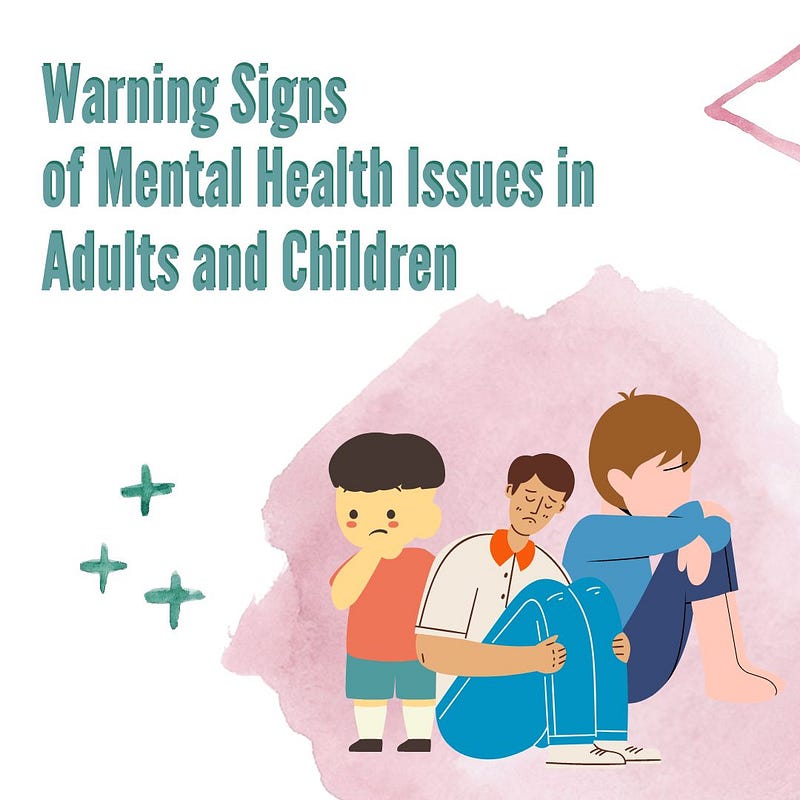
Warning Signs of Mental Health Issues in Adults and Children
Adults
Mental illnesses are complex conditions that affect people of all ages. While each illness has its unique set of symptoms, some common signs can indicate the presence of a mental health condition.
Excessive anxiety or fear, feeling excessively sad or down, muddled thinking or issues with attention and learning, dramatic mood fluctuations, and extended or intense feelings of impatience or rage are all common indications of mental illness in adults and adolescents. Other symptoms may include avoiding friends and social activities, trouble comprehending or relating to others, changes in sleeping or eating habits, difficulty recognizing reality, substance abuse, and a variety of physical diseases with no evident reasons.
Suicidal ideation, incapacity to carry out daily tasks or deal with everyday difficulties and stress, and an acute dread of weight gain or concern with appearance are all indicators of a mental health disorder.
Children
Mental health problems can also emerge in young children.
Because youngsters are still learning how to identify and express their thoughts and emotions, their most visible symptoms are frequently behavioural. For example, changes in school performance, excessive stress or anxiety, hyperactive behaviour, frequent nightmares, disobedience or violence, and frequent temper tantrums are symptoms in youngsters.
It’s crucial to remember that experiencing one or more of these symptoms does not always indicate a mental health problem. However, suppose these symptoms persist over time and begin to interfere with daily life. In that case, it may be time to seek professional help. Nevertheless, with proper diagnosis and treatment, many people with mental illnesses can lead healthy and fulfilling lives.
Help and Seek Help
While we discussed why mental health is a stigma and how we can identify it, it is also essential to be vigilant. People who suffer from mental illnesses such as depression, anxiety, panic attacks etc., usually ignore these symptoms as a regular part of life or avoid seeking help out of shame or fear. If you are one of them — READ THIS OUT LOUD –
I AM IMPORTANT.
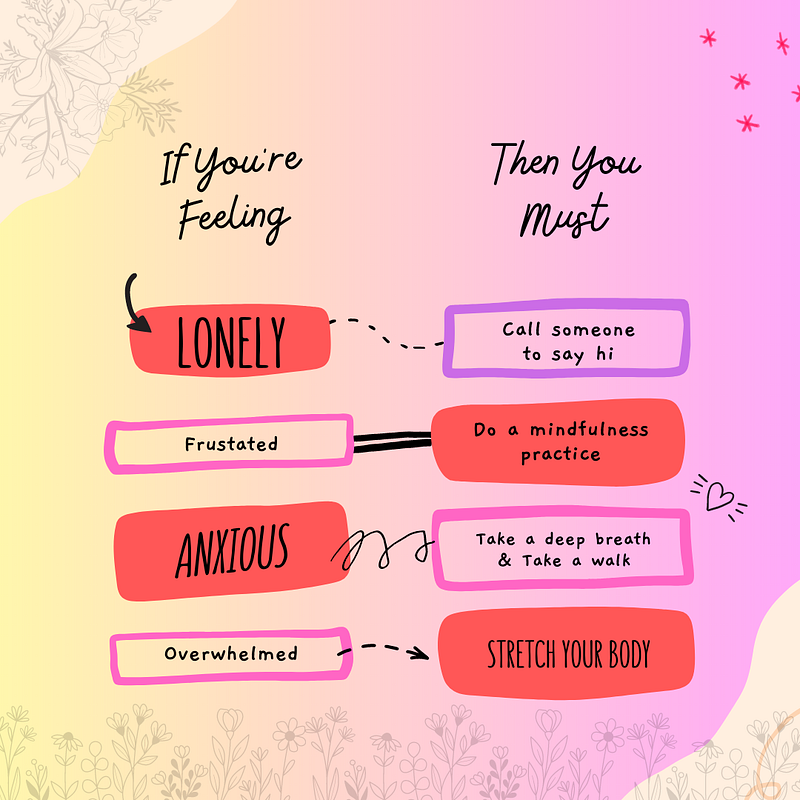
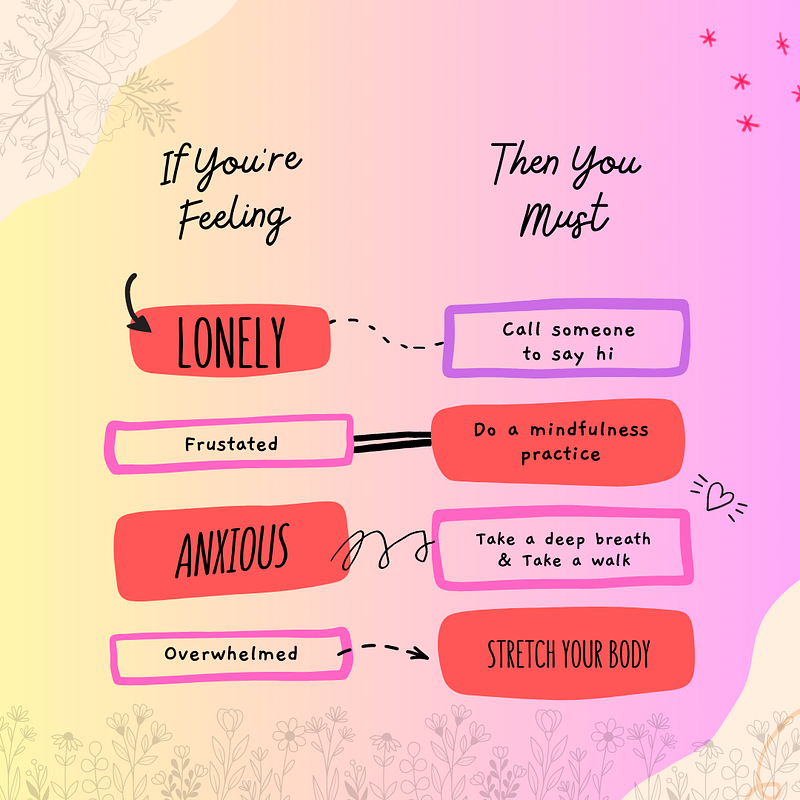
Seek out for help. Indulge in positive psychology, self-care, depression support, and practice mindfulness. Talk to the people who matter to you or would understand you. If you are unsure, you can go for therapy options or sign up on various anonymous platforms that help you talk and sometimes even share your miseries. Meanwhile, keep checking on your friends and family. If you are a parent, make sure you are open to your children about the importance of mental health and assure them that It is Okay to feel in a certain way.
Talking about the stigma around Mental Health and why it is so important today is a topic as vast as an ocean. But as a human being, and especially in times like today, it is indispensable to look out for the symptoms of your and your friend’s/families’ mental disasters.
Disclaimer: This post may contain affiliate links. If you click and buy, we may receive a small commission at no extra cost to you. Read our full disclosure here.