Things to know about Histrionic Personality Disorder
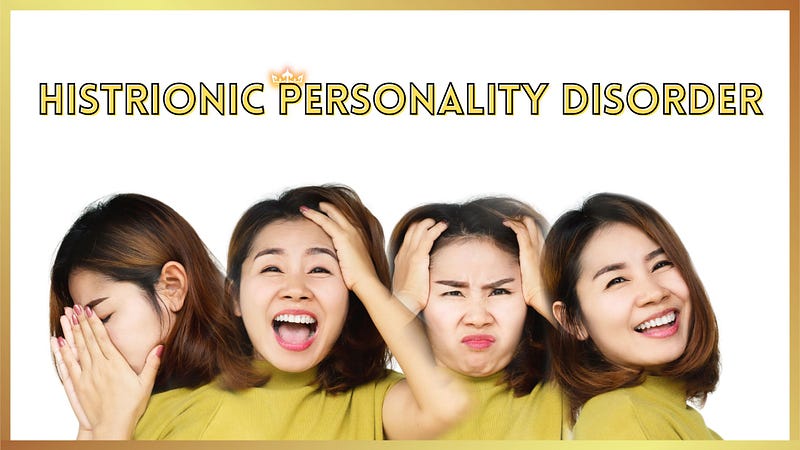
In the world of personality disorders, one character craves the spotlight like no other, and they go by the name of Histrionic Personality Disorder, or HPD for short. HPD is a complex and often misunderstood mental health condition characterized by excessive emotionality and attention-seeking behaviour. People with HPD strongly desire to be the centre of attention and often engage in dramatic behaviours to achieve this. I
In simple terms, HPD is a mental health condition where someone becomes a bit of a “drama queen” or “king,” always trying to be the show’s star. They’ll go to great lengths to be the centre of attention, often using dramatic gestures, emotions, or flirtatious behaviours to steal the spotlight.
But here’s the catch: behind all the theatrics, people with HPD struggle with an overwhelming need for validation and love. They’re like actors on a stage, giving a stellar performance. Still, off-stage, they may feel lost, insecure, and anxious when not in the limelight.

The Essentials of Histrionic Personality Disorder
Histrionic Personality Disorder is one of the ten personality disorders recognized by the Diagnostic and Statistical Manual of Mental Disorders (DSM-5). It is essential to differentiate HPD from normal attention-seeking behaviour. People with HPD exhibit chronic patterns of behaviour that impair their ability to maintain healthy relationships and function effectively in daily life. Here are some critical characteristics of HPD:
- Attention-Seeking: Individuals with HPD have an insatiable need for attention and validation. They may resort to excessive flirting, provocative dressing, or exaggerating emotions to draw people’s attention.
- Emotionally Labile: HPD individuals experience rapid emotional shifts and may display intense but short-lived emotional reactions. This can make them appear shallow or insincere.
- Highly Suggestible: People with HPD are easily influenced by others and may adopt the opinions, values, and feelings of those around them to gain approval.
- Impulsive Behavior: Impulsivity is a common trait, leading to decisions made on the spur of the moment without considering the consequences. This can result in reckless behaviour.
- Lack of Detail: They often need to pay more attention to details in favour of the bigger picture, leading to careless mistakes.
- Uncomfortable When Not the Center of Attention: People with HPD become anxious or irritable when they are not the focal point of attention. They may go to great lengths to regain the spotlight.
- Superficial Relationships: They tend to form shallow relationships, as their desire for attention overshadows the development of deeper connections.
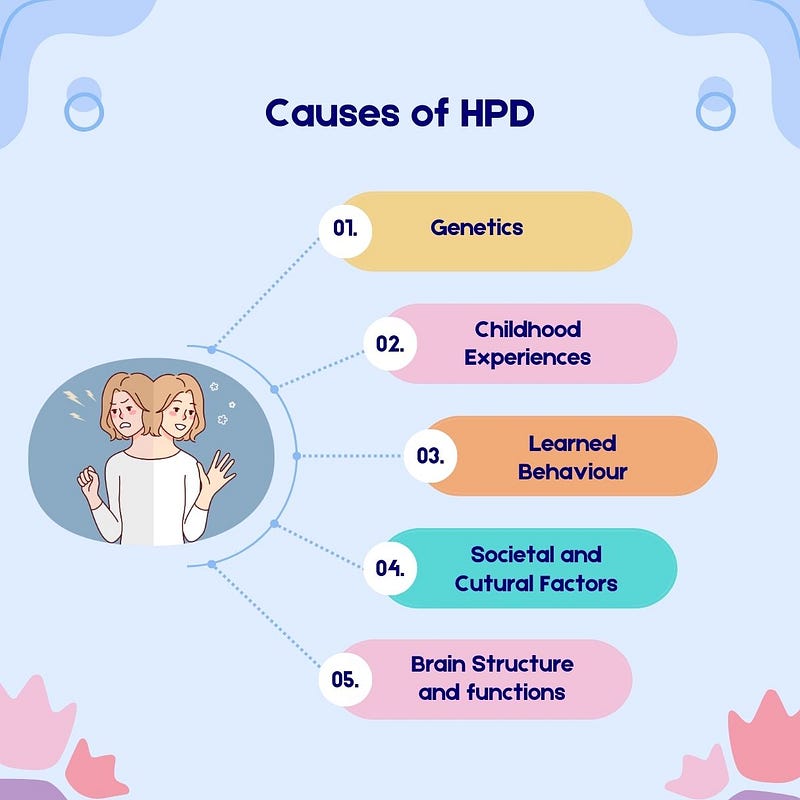
Causes of Histrionic Personality Disorder
Understanding the root causes of HPD is complex and multifaceted, but several contributing factors have been identified:
- Genetics: There may be a genetic predisposition to HPD, as certain personality traits and behaviours can be inherited.
- Childhood Experiences: Traumatic childhood experiences, such as inconsistent love and attention from caregivers, neglect, or abuse, can contribute to developing HPD.
- Learned Behavior: Some individuals learn attention-seeking behaviours early in life to cope with their environment and gain the affection they lack.
- Societal and Cultural Factors: Societal emphasis on beauty, fame, and superficiality can reinforce HPD traits in susceptible individuals.
- Brain Structure and Function: Some research suggests that abnormalities in brain function and structure, particularly in regions responsible for regulating emotions, may play a role in HPD.
Diagnosis of Histrionic Personality Disorder
Diagnosing Histrionic Personality Disorder involves a comprehensive evaluation by a mental health professional. This typically includes:
- Clinical Assessment: The clinician conducts interviews and assesses the patient’s behaviour and symptoms.
- Rule Out Other Disorders: The clinician must rule out other mental health conditions that may present with similar symptoms, such as borderline personality disorder or narcissistic personality disorder.
- Criteria from DSM-5: The diagnosis is based on the specific criteria outlined in the DSM-5. To receive a diagnosis of HPD, an individual must meet the specified criteria.
- Medical Evaluation: In some cases, physical health problems can mimic the symptoms of HPD, so a medical evaluation may be necessary to exclude any underlying medical conditions.

Treatment Options
Treating Histrionic Personality Disorder can be challenging, as individuals with this condition may resist change or may not recognize the need for treatment due to their own perception of their behaviours as “normal.” Nevertheless, there are several practical treatment approaches:
- Psychotherapy: Talk therapy, particularly cognitive-behavioural therapy (CBT), can help individuals with HPD recognize and modify their maladaptive behaviours, thoughts, and emotions. Therapists can also assist in developing healthier coping mechanisms.
- Medication: While there are no specific medications to treat HPD, some individuals with co-occurring conditions like depression or anxiety may benefit from medication as part of their treatment plan.
- Group Therapy: Group therapy sessions can provide a supportive environment for individuals with HPD to learn from others and develop interpersonal skills.
- Family Therapy: Family therapy can address the dynamics and relationships within a family, which may contribute to developing and maintaining HPD.
- Self-Help and Coping Skills: Learning self-help strategies and coping skills can empower individuals with HPD to manage their emotions and behaviours more effectively.
Coping with Histrionic Personality Disorder
If you have a loved one with Histrionic Personality Disorder or are dealing with it yourself, here are some strategies to help cope with the condition:
- Seek Professional Help: The first step is to consult a mental health professional specializing in personality disorders. They can provide guidance and support tailored to your unique situation.
- Educate Yourself: Understanding the disorder is crucial for the affected individual and their support network. Education can help reduce stigma and improve empathy.
- Maintain Boundaries: Establishing and maintaining healthy boundaries in your relationships with individuals with HPD is essential. Set clear limits on what behaviour is acceptable.
- Encourage Treatment: If you or someone you know has HPD, encourage them to seek treatment. Change is possible with professional support.
- Practice Self-Care: Self-care is vital for caregivers or individuals dealing with HPD. Taking care of your emotional and physical well-being is essential for maintaining healthy relationships.

Myths vs Fact
To foster a better understanding of Histrionic Personality Disorder, we’ll address and debunk some of the common myths surrounding this condition with the corresponding facts:
Myth 1: HPD is Just Attention-Seeking
Fact: HPD is a Complex Personality Disorder
While attention-seeking behaviour is a component of HPD, it’s not the whole story. This disorder involves intricate emotional dynamics and a deep-seated need for validation and approval. People with HPD often experience a profound fear of abandonment, which fuels their need for attention and validation. HPD encompasses a range of emotional instability and self-esteem issues, extending beyond simple attention-seeking behaviour.
Myth 2: HPD is a Rare Condition
Fact: HPD is More Common Than You Might Think
HPD may not be as well-known as more prevalent conditions like depression or anxiety disorders. Still, it’s not as rare as one might believe. Estimates suggest that HPD affects about 1–2% of the population. This prevalence might be even higher due to underdiagnosis and misdiagnosis, underscoring the need for greater awareness and understanding.
Myth 3: HPD is Easy to Diagnose
Fact: Diagnosis Requires Professional Assessment
Diagnosing HPD is far from straightforward. It shares similarities with other personality and mood disorders, challenging accurate diagnosis. Individuals need a comprehensive evaluation by a qualified mental health professional to receive a precise diagnosis. These professionals use specific diagnostic criteria and conduct in-depth interviews to make an assessment.
Myth 4: People with HPD Can’t Have Healthy Relationships
Fact: With Treatment, Healthy Relationships Are Possible
It’s a common myth that individuals with HPD cannot form healthy, stable relationships. However, healthy relationships are entirely possible with proper treatment and support. Therapy can help individuals with HPD develop better emotional regulation and interpersonal skills, leading to more fulfilling and lasting connections.
Myth 5: All Attention-Seeking Behavior is a Sign of HPD
Fact: Attention-seeking behaviour Can Stem from Various Causes
Not all attention-seeking behavior indicates HPD. Seeking attention can result from various causes, including low self-esteem, a desire to fit in, or difficulties in effective communication. Therefore, it’s essential not to jump to conclusions about someone’s mental health based solely on their behaviour.
Myth 6: HPD is a Choice
Fact: HPD is a Mental Health Disorder, Not a Choice
HPD is not a choice; it is a mental health disorder. Individuals with HPD often struggle with their behaviour and emotions, and their actions may not be intentional. Rather than a deliberate choice, it manifests their emotional and psychological challenges.
Myth 7: HPD Can’t Be Treated
Fact: Treatment Options are Available
Contrary to popular belief, HPD is treatable. The primary treatment for HPD is psychotherapy, especially cognitive-behavioral therapy (CBT). While medication is not typically the immediate treatment for HPD, it may be prescribed to manage specific symptoms or co-occurring conditions, such as anxiety or depression.
Myth 8: People with HPD are Manipulative
Fact: HPD Behavior May Be Unintentional
While people with HPD may exhibit manipulative behaviour, it’s essential to understand that it may not always be intentional. Individuals with HPD may act impulsively and emotionally to maintain their relationships and self-esteem. Recognizing the underlying emotional turmoil and addressing it is essential for effective treatment.
Myth 9: People with HPD Can’t Lead Productive Lives
Fact: Many People with HPD Lead Productive Lives with Support
Individuals with HPD can lead productive lives with the right support and treatment. Like any other mental health condition, the severity of HPD varies among individuals, and many can function well in their personal and professional lives with the appropriate help.
Myth 10: HPD is Not a Serious Condition
Fact: HPD Can Have Significant Impacts on One’s Life
HPD is a severe condition that can profoundly affect an individual’s life, including their relationships, career, and overall well-being. Ignoring or dismissing the disorder can lead to worsening symptoms and complications, emphasizing the importance of recognizing and addressing HPD as a genuine mental health concern.

Lights, Camera, Action!
In conclusion, Histrionic Personality Disorder is a complex mental health condition that can significantly impact an individual’s life. While this condition can make life feel like a never-ending performance, it’s crucial to remember that behind the theatrics lies a genuine need for validation and love. People with HPD may struggle to maintain healthy relationships and function effectively. Still, with the proper support, they can learn to manage their symptoms and lead fulfilling lives.
So, take a bow, and remember that seeking help is the first step towards a happier and healthier life. With the right treatment, there’s no role too challenging for individuals with Histrionic Personality Disorder to overcome.
Disclaimer: This post may contain affiliate links. If you click and buy, we may receive a small commission at no extra cost to you. Read our full disclosure here.