
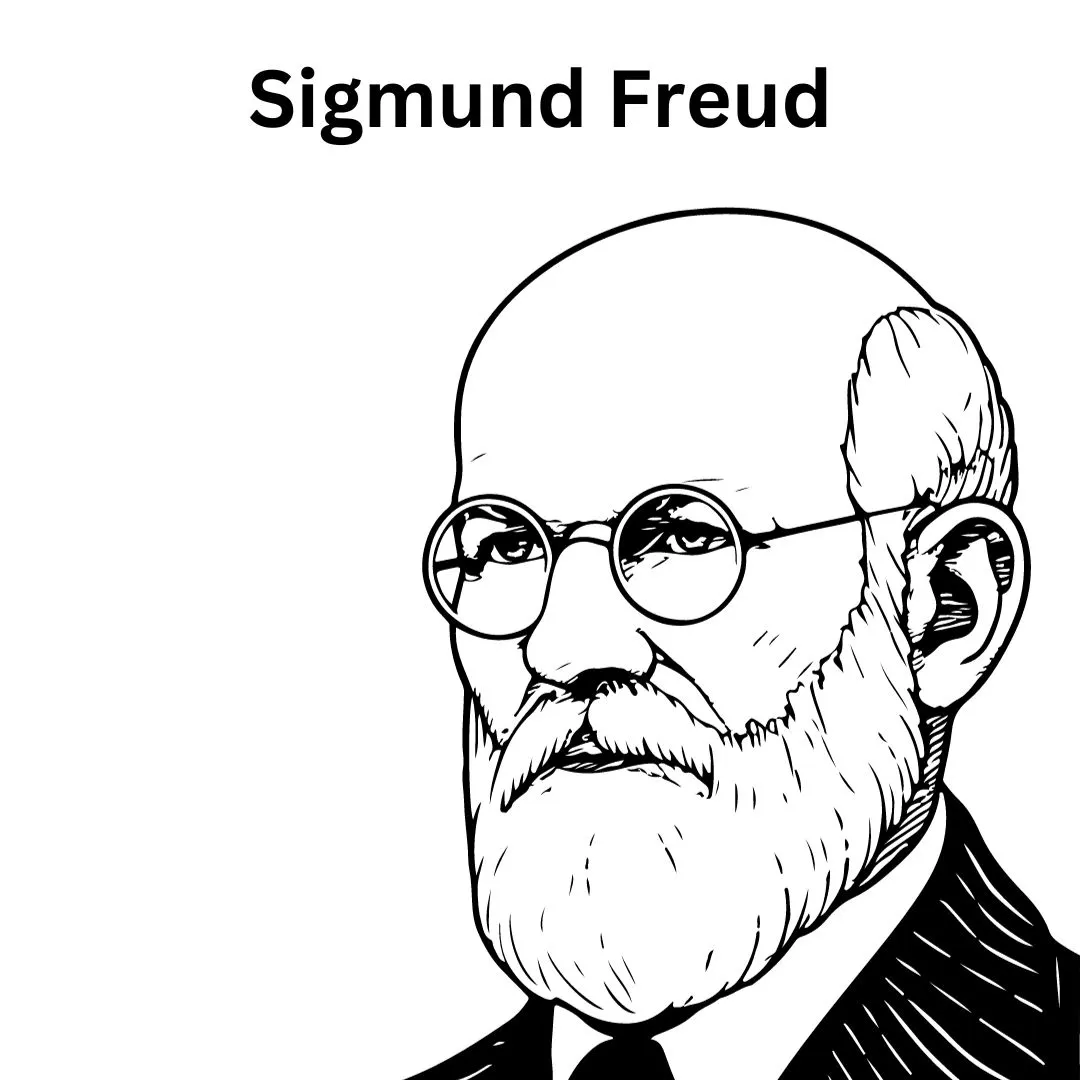
All about Freudian Psychology

Freudian psychology, founded by Sigmund Freud, delves deep into the human mind, exploring unconscious processes and their influence on behaviours, thoughts, and emotions. Central to Freud’s theories is the concept of self-actualization, a fundamental aspect of human development and fulfilment.
This blog aims to elucidate the relationship between Freudian theory and self-actualization, shedding light on how understanding the unconscious can pave the way for personal growth and self-realization.

Understanding Freudian Psychology
Austrian neurologist and psychoanalyst Sigmund Freud revolutionized the field of psychology by introducing concepts such as the unconscious mind, the id, the ego, the superego, and defence mechanisms. Freud proposed that our behaviours and experiences are strongly influenced by unconscious desires, memories, and conflicts, often stemming from early childhood experiences.

The Structural Model of Personality
Freud’s structural model of personality comprises three key components:
- The Id: The id represents our primal, instinctual desires, operating based on the pleasure principle, seeking immediate gratification.
- The Ego: The ego acts as the mediator between the id, the superego, and the external world, operating on the reality principle to balance desires with societal norms and expectations.
- The Superego: The superego embodies our internalized moral and societal standards, striving for perfection and ethical behaviour.
Understanding these components is crucial to unravelling the intricate relationship between Freudian psychology and self-actualization.
Self-Actualization in Freudian Psychology
Self-actualization, a term popularized by humanistic psychologist Abraham Maslow, refers to realizing one’s potential and pursuing personal growth, creativity, and fulfilment. While Freud did not explicitly use “self-actualization,” his theories touch upon the underlying mechanisms contributing to this fundamental human aspiration.

The Unconscious and Self-Understanding
Freud emphasized that most mental processes occur in the unconscious, which houses repressed memories, desires, and unresolved conflicts. Self-actualization necessitates delving into the cold to uncover and address these hidden aspects, enabling self-awareness and personal growth.
By analyzing and understanding unconscious content, individuals can work through unresolved issues and integrate suppressed experiences, ultimately fostering a deeper understanding of themselves.
Resolving Internal Conflicts
Freud’s theory underscores that internal conflicts between the id, ego, and superego can hinder personal development. Self-actualization involves identifying and resolving these conflicts, achieving a harmonious balance between instinctual desires, societal norms, and personal values.
Through psychoanalytic processes, individuals can recognize and reconcile these conflicting elements, paving the way for personal growth and self-realization.

Overcoming Defense Mechanisms
Freud posited that individuals employ defence mechanisms to protect themselves from anxiety and distress. However, these mechanisms can inhibit self-actualization by preventing the acknowledgement of genuine feelings and desires.
Individuals must recognize and transcend these defence mechanisms to achieve self-actualization, allowing for genuine self-expression and personal fulfilment.

The Role of Dreams and Symbols
Freud believed dreams provide a window into the unconscious mind, offering insights into unresolved conflicts and repressed desires. Analyzing dreams, along with free association and symbolism, can unravel the deeper layers of the psyche, aiding the journey towards self-actualization.
Dream interpretation allows individuals to connect with their unconscious, bringing suppressed emotions and thoughts to light and facilitating their integration into conscious awareness.
Conclusion
The Freudian theory offers profound insights into the human psyche and the mechanisms that underpin our behaviours and experiences. While Freud did not explicitly use the term “self-actualization,” his pioneering work on the unconscious mind, defence mechanisms, and dream analysis provided a foundation for understanding and achieving personal growth and fulfilment.
Self-actualization, rooted in understanding the unconscious, resolving internal conflicts, and interpreting dreams, becomes an attainable goal through the lens of Freudian psychology. By embracing the insights and tools offered by Freudian theory, individuals can embark on a transformative journey towards self-awareness, personal growth, and the realization of their fullest potential.

Disclaimer: This post may contain affiliate links. If you click and buy, we may receive a small commission at no extra cost to you. Read our full disclosure here.