
Mindful Eating: Mental Health Influences on Food
Mental health encompasses a wide range of issues, including often-overlooked conditions like “Eating Disorders.”
In today’s fast-paced world, our relationship with food has become increasingly complex, often influenced by numerous factors, including lifestyle, stress, societal norms, and, most importantly, our mental health. This intricate interplay often manifests in the form of eating disorders, which affect millions of individuals worldwide.
Eating disorders are not just about food; they are psychological conditions that impact how we think and feel about ourselves and the world around us. In this blog, we will explore the profound connection between mental health, eating disorders, and the potential healing power of mindful eating.

The Epidemic of Eating Disorders
Eating disorders are mental health conditions that can have devastating effects on physical health, emotional well-being, and overall quality of life. They encompass a range of disorders, including anorexia nervosa, bulimia nervosa, binge-eating disorder, and various forms of disordered eating. Abnormal eating habits and a fascination with body weight, form, and appearance distinguish these illnesses. This frequently results in serious health diseases such as diabetes, obesity, etc., and emotional despair.
And yes, it has no impact when you say, “Why don’t you start dieting and stop eating.”
Prevalence and Impact
Eating disorders are alarmingly prevalent in modern society. According to the National Eating Disorders Association (NEDA), approximately 20 million women and 10 million men in the United States will suffer from an eating disorder at some point in their lives. (Reference)
These disorders have a significant mortality rate among mental illnesses, with every 62 minutes, at least one person dying as a direct result of an eating disorder.
Societal Factors and Media Influence
Societal pressures and media influence play a substantial role in developing and eternalizing eating disorders. Unrealistic beauty standards portrayed by the media, the constant bombardment of images of “ideal” bodies, and the pervasive diet culture contribute to an environment that fosters disordered eating patterns.
Types of Eating Disorders:
- Anorexia Nervosa: Anorexia nervosa is determined by an unreasonable fear of gaining weight, which leads to severe eating restriction. Individuals suffering from anorexia may have a distorted body image and feel overweight despite being substantially underweight. This condition can result in significant health problems.
- Bulimia Nervosa: Bulimia nervosa involves episodes of overeating (binge eating) followed by compensatory behaviours like vomiting, excessive exercise, or fasting to prevent weight gain. People with bulimia often feel a lack of control during binge episodes and experience shame and guilt afterwards.
- Binge-Eating Disorder (BED): Binge-eating disorder is defined by recurrent bouts of consuming vast amounts of food in a short period of time, as well as a lack of control over overeating. Individuals with BED, unlike those with bulimia, do not engage in compensatory actions.
- Avoidant/Restrictive Food Intake Disorder (ARFID): ARFID involves limited food preferences, avoidance of certain textures, tastes, smells, or fear of choking. It can lead to nutritional deficiencies and impairments in physical and psychosocial functioning.

How Mental Health Affects Eating
Understanding the complex connection between mental health and eating behaviours is important for effective prevention, treatment, and recovery from eating disorders. Mental health significantly influences our attitudes and behaviours towards food, body image, and self-esteem.

Stress and Emotional Eating
Stress, a prevalent feature of modern life, is a major trigger for emotional eating, a tendency that is frequently related to eating disorders. Chronic stress can cause an imbalance in appetite-regulating hormones, resulting in either overeating or undereating as an approach to coping. The American Psychological Association (APA) revealed in 2020 that 61% of adults had unwanted weight changes due to increasing stress levels since the start of the COVID-19 epidemic.
“Whatever the situation, the answer is not in the fridge.”― Karen Gibbs, A Gallery of Scrapbook Creations
Body Image Dissatisfaction
Body dissatisfaction is a pervasive issue in our society and a precursor to disordered eating. Dissatisfaction with one’s body image can lead to harmful dieting behaviours, excessive exercise, and, in severe cases, eating disorders. The National Institute of Mental Health (NIMH) states that 14.4% of adults in the United States experienced extreme body dissatisfaction in 2018.
Mindful Eating: A Path to Healing
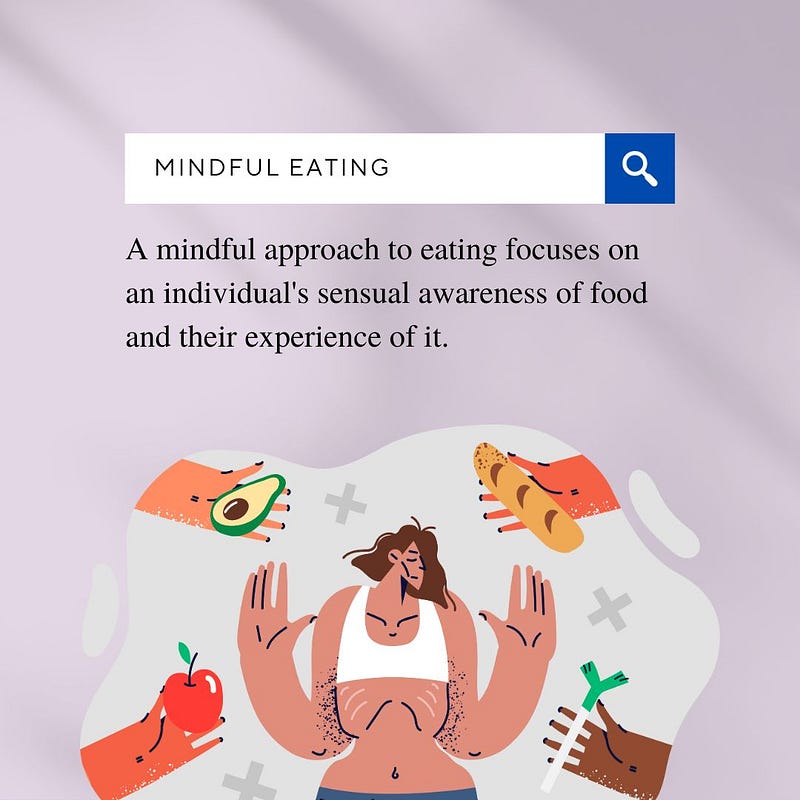
Amid this complex landscape, mindful eating offers a promising avenue for individuals grappling with eating disorders. As the saying goes, “Better to eat a dry crust of bread with peace of mind than have a banquet in a house full of trouble.” Being fully present during meals, cultivating awareness of the eating experience, and nurturing a healthy relationship with food are all aspects of mindful eating.
The Principles of Mindful Eating
- Mindful Awareness: Engage all your senses while eating, appreciating the colours, textures, and aromas of your food. Pay attention to every bite and the act of chewing.
- Listening to Your Body: Tune into your body’s hunger and fullness cues. Eat when hungry and stop when satisfied.
- Non-Judgmental Attitude: Release any guilt or judgment associated with food choices. Embrace a compassionate and understanding outlook towards yourself and your eating habits.
Benefits of Mindful Eating
- Improved Relationship with Food: Mindful eating fosters a positive, non-fearful relationship with food, which is essential for those recovering from eating disorders.
- Enhanced Emotional Regulation: By fostering awareness of emotions and stressors, mindful eating helps individuals manage their emotional responses without resorting to disordered eating patterns. Emotional eating can quickly sabotage our body’s ability to work properly with food.
- Rebuilding Trust with Food: Food can become a source of anxiety for individuals with eating disorders. Mindful eating helps rebuild trust in food and cultivate a healthier perspective.

What if I have an Eating Disorder?
Seek Professional Guidance
Individuals with eating disorders should seek guidance from healthcare professionals, including dietitians, psychologists, or therapists specializing in eating disorders. These professionals can provide appropriate strategies for integrating mindful eating into the recovery journey.
Meal Planning and Preparation
Engage in mindful meal planning and preparation by choosing foods that nourish the body and mind. Practice being present while cooking and enjoy the act of creating a nutritious meal.
Mindful Eating Support Groups
Participate in mindful eating support groups or communities that offer a safe space to share experiences, challenges, and successes in incorporating mindful eating into recovery from eating disorders. The support and shared insights can be immensely beneficial.
A Holistic Approach to Healing
In conclusion, healing from eating disorders requires a holistic approach that addresses both the mind and the body. When included in an extensive therapy plan, mindful eating is a strong strategy that can significantly contribute to recovery. Individuals can journey towards healing, self-acceptance, and a healthy life by cultivating a conscious connection with food.
It’s essential to emphasize that seeking professional help is paramount in dealing with eating disorders. Trained healthcare providers can guide individuals through the process, offering tailored strategies and support. Remember, healing is possible, and by embracing mindfulness in our relationship with food, we can pave the way towards a future of nourishment, well-being, and lasting recovery.
Disclaimer: This post may contain affiliate links. If you click and buy, we may receive a small commission at no extra cost to you. Read our full disclosure here.