
How to support someone with a mental health struggle
Supporting someone with a mental health illness without making it harder for them
When someone you care about is having a hard time with their mental health, it’s natural to want to help, say the right thing, or make things better for them.
But supporting someone with mental illness isn’t about fixing their problems. It’s about being there for them in ways that truly help, not add to their struggles.
This post is for anyone who cares about someone going through a tough time. We’ll start with what can help, then cover what doesn’t, and finish with ways to take care of yourself, too.
Note: I am not a therapist or mental health professional. This post is based on research and personal experience. If you or someone you love is in crisis, please reach out to a qualified professional. In India, you can contact iCall at 9152987821. Other helplines include the Snehi 24×7 Helpline (91-22-2772 6771/6773), the Kiran Mental Health Rehabilitation Helpline (1800-599-0019), and Aasra’s helpline (91-9820466726). Support is available, and you are not alone.
Why supporting someone with a mental health illness can feel so difficult
Mental health illness isn’t something you can see, and it doesn’t follow a clear or predictable path to getting better.
People living with depression, anxiety, OCD, or other mental health issues often seem fine on the outside. They go to work, answer messages, and laugh at dinner. Then suddenly, there’s a day when they can’t get out of bed, and those around them are left confused because everything seemed normal the day before.
That kind of inconsistency isn’t about being dishonest. It’s just part of how mental illness works. Realizing this is the first step in being supportive.
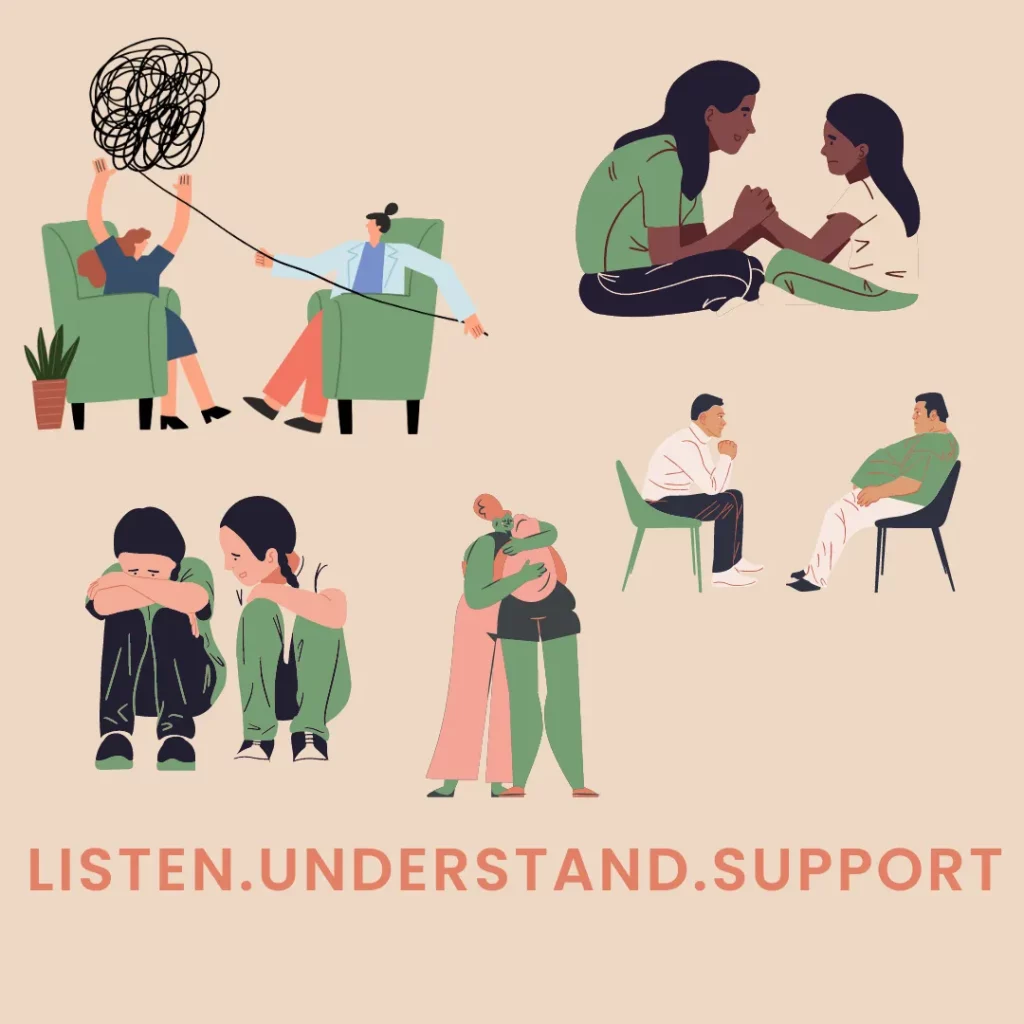
The next thing to remember is that you can’t cure them. You’re not their therapist, and you don’t need to be. What matters most is being a safe person for them. This could mean sitting with them quietly, letting them know you’re there if they want to talk, or sending a message to check in without expecting a reply. Being safe also means listening without judging, respecting their boundaries if they’re not ready to talk, and reminding them you care, even on tough days. Try to be there for them during the hard times, not just when things are going well.
What actually helps
Listening without trying to solve
One of the best things you can do for someone who’s struggling is to really listen. Don’t listen just to plan your response or wait for a chance to offer advice. Just listen.
Most people dealing with mental illness aren’t looking for solutions. They want to feel heard. Simply asking, “What do you need from me right now?” can mean a lot.
Learning about their condition
If someone close to you has been diagnosed with depression, anxiety, bipolar disorder, OCD, or another condition, try to learn about it. You don’t need to become an expert or repeat facts to them, but understanding what they’re going through helps.
When you understand their condition, you’re less likely to take their tough days personally. You won’t see their withdrawal as rejection or their silence as anger. Instead, you start to see things from their perspective, and that changes how you support them.
Being consistent, not just available in a crisis
It can feel very lonely when people show up during a crisis but then fade away once things seem better. If support only comes during the worst times, it can make someone feel like they need to be in crisis to get help.
Being consistent is what builds trust. Sending a regular check-in message, sticking to plans, and noticing when they seem quieter than usual all matter more than big gestures that only happen during emergencies.
Encouraging professional help without pressure
You aren’t meant to be someone’s therapist, and trying to take on that role can wear you out and might not help them. Encouraging your loved one to talk to a professional is one of the most helpful things you can do.
How you suggest getting professional help is important. You could say, “I think talking to someone might help. I can help you find someone if you want.” Offer to help look up therapists, go with them to appointments, or just be there while they make a call. Try to make it as easy as you can.
What does not help, even when you mean well?
This is just as important as knowing what helps. Sometimes, even well-intentioned words can hurt because they don’t come across the way you mean them.
“Just think positive.” Mental illness is not a mindset problem. Telling someone with clinical depression to think positively is like telling someone with a broken arm to just move it normally. It dismisses the reality of what they are experiencing.
“But you have so much to be grateful for.” While gratitude benefits mental health in the long term, this phrase makes people feel guilty for struggling and doesn’t help in the moment.
“I know how you feel.” Even if you’ve had a similar experience, every mental health journey is unique. This phrase can shut down conversations. “I can’t fully understand, but I want to” is more honest and helpful.
“You just need to get out more / exercise / sleep more.” These things can support mental health. But they are not cures, and suggesting them as simple solutions implies that the person has not considered them or that their illness is a lifestyle problem they could easily fix.
Checking in too often out of worry can actually make someone more anxious. It’s better to ask what kind of contact feels supportive to them, so you don’t overwhelm them.
Looking after yourself too
Supporting someone with mental illness can be rewarding, but it can also be tiring, and it’s okay to acknowledge that. As the saying goes, you can’t pour from an empty cup. If you wear yourself out trying to do everything for someone else, you’ll eventually have nothing left to give. The person you’re supporting might also feel guilty about that.lt.
Setting limits on what you can do isn’t abandoning someone. It’s about making your support sustainable. Clear boundaries help you be there in a way that works for both of you. For example, you could say, “I need to rest tonight, but I’ll check in tomorrow,” or “I can’t talk right now, but I’m always here for you, and we can catch up later.”
Kindly sharing your boundaries helps reduce guilt for both you and your loved ones and keeps your support healthy. Being honest about what you can handle, talking to someone you trust about your feelings, and getting your own support if you need it are all important parts of being there for someone over the long term.
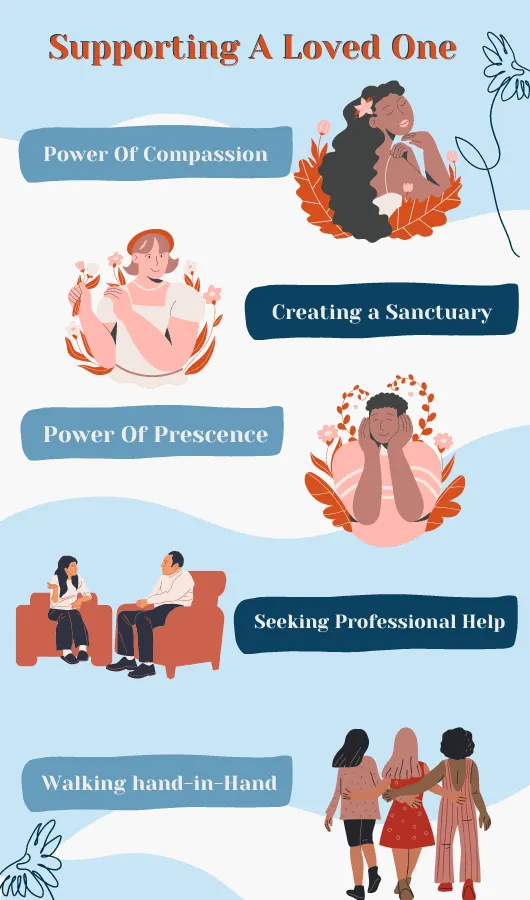
It’s Okay to not know, but it’s not okay to not want to know!
If you’re reading this because someone you care about is struggling, you’re already taking a positive step. Wanting to understand and seeking answers really do make a difference.
Mental health recovery doesn’t move in a straight line. There will be good weeks and tough ones. Sometimes your loved one will seem okay, and sometimes they won’t. The best thing you can do is stay present and make sure they don’t feel like a burden.
You don’t need to have all the answers. What matters most is that you keep showing up.
Have you helped a loved one through a mental health journey? What worked for you, and what do you wish you’d known sooner? We’d love to hear your thoughts in the comments.
You might also find these posts useful: 10 Signs You’re Slowly Burning Out and What OCD Actually Feels Like (And Why “I’m So OCD” Misses the Point).
Disclaimer: This post may contain affiliate links. If you click and buy, we may receive a small commission at no extra cost to you. Read our full disclosure here.