
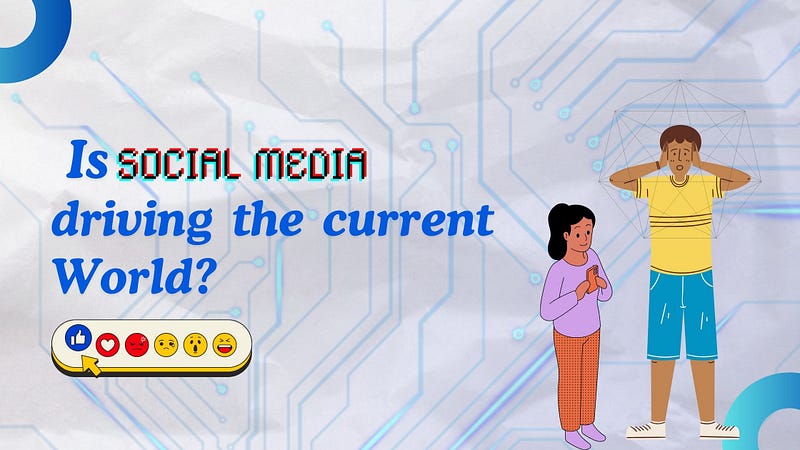
Social media isn’t just a distraction. It’s a process of rewiring how you see yourself.
I’ll start with a confession.
I spend a lot of time on Instagram and LinkedIn. Sometimes, it’s helpful. I find new ideas, keep up with topics I care about, and connect with people I wouldn’t meet otherwise. But there are days when I look up and realize I’ve lost an hour, and I feel a bit worse about myself than before. Nothing bad happened. No one was unkind. I just spent time looking at other people’s lives on social media, and mine started to feel smaller by comparison.
On those days, I’ve started doing something simple: I set a timer before I open the app. Just knowing the clock is running helps me notice when I’m drifting from curiosity into mindless comparison. It’s not a perfect fix, but it gives me a chance to decide if I want to keep going.
I don’t think I’m alone in this. And I think it’s worth talking about honestly, because “social media is bad, set limits” has become such a tired refrain that we’ve stopped actually examining what’s happening to us.
It’s important to recognize the impact of social media on our perceptions and mental health.
The comparison machine
Social media started as a way to keep in touch, but it’s become much more than that. Now, it’s a window into other people’s carefully chosen moments, always right there in your pocket.
You open Instagram and see someone’s perfect vacation. On LinkedIn, you see a former coworker’s promotion, a peer’s big speaking event, or someone younger launching their third startup. These people are not lying, but you are seeing only the highlights, the best moments of their week, shared when they look most impressive.
But your mind doesn’t see it that way. It takes these moments as if that’s what their whole life looks like, and then quietly starts comparing it to your own.
The platforms are not passive in this. They are deliberately designed and built with significant engineering resources to keep you engaged. The algorithm feeds you content that triggers a response, and comparison triggers a very strong response. The more you engage with posts that make you feel something (admiration, envy, aspiration, inadequacy), the more of that content finds its way to you.
You’re not just scrolling. You’re being sorted.
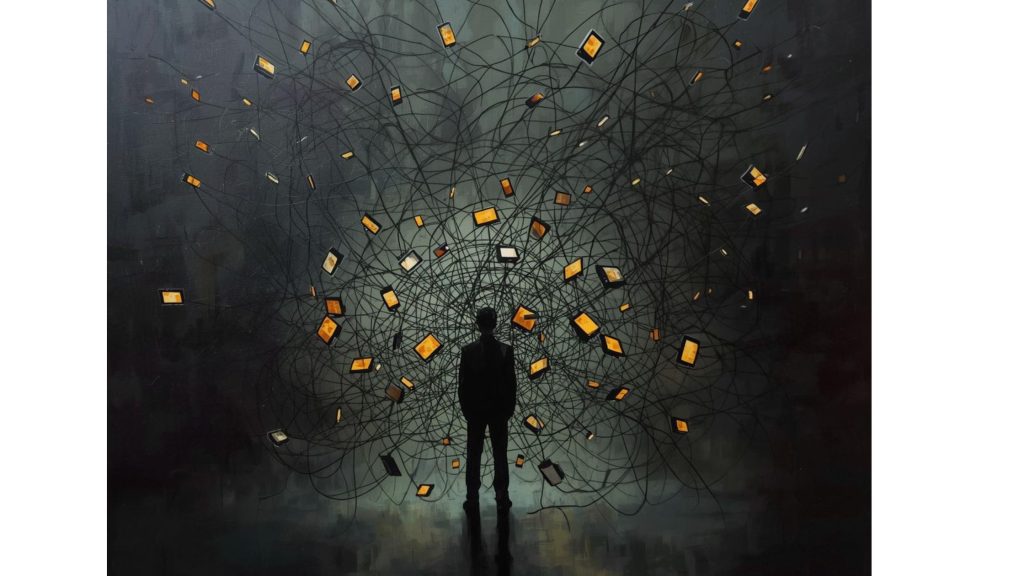
Likes as currency
Alongside the comparison trap sits something equally powerful: the need for validation.
We’ve built a world where the number of likes on a post can genuinely affect how someone feels about themselves. Post something, wait for the response, feel good if it lands, feel quietly deflated if it doesn’t. Repeat. That cycle is not accidental. It maps directly onto the same neurological reward loops that make other addictive behaviors so hard to break.
The excitement from getting engagement is real. I’ve felt it, and most people have too. When a post does well, you feel noticed and valued for a while. When a post gets little response, you might wonder what you did wrong, even if you did nothing wrong at all.
It’s normal to enjoy validation. The real worry is that we’ve started to measure our self-worth by it. For many, success now partly depends on how their online posts perform. But that’s a standard you can’t control, since it depends on algorithms, timing, and the attention of strangers.
This isn’t just a problem for individuals. Brands, news outlets, and public figures have also changed how they act, focusing more on engagement than on accuracy or depth. As a result, what gets the most attention isn’t always true or meaningful; it’s what gets a reaction.
When misinformation turns dangerous
The most serious consequence of this amplification problem is what happens when it intersects with real-world tensions.
The 2020 Delhi riots are a painful example. What began as protests around the Citizenship Amendment Act became communal violence that led to over 50 deaths. Social media played a documented role in the rapid escalation of the situation. Platforms including WhatsApp, Facebook, and Twitter became channels for misinformation: doctored videos, false reports of attacks on specific communities, and inflammatory content that spread faster than any fact-check could follow.
The algorithms did exactly what they were designed for: they boosted content that got people to react. Outrage and fear both drive engagement. In a tense situation, this kind of amplification led to terrible results.
This isn’t just about one political group or one post. It’s about what happens when platforms focus on reactions without enough safeguards, and the real human cost that can follow. The Delhi riots are an extreme example, but smaller versions of this happen in comment sections and group chats every day.
We need better digital skills, stronger content moderation, and more personal responsibility for what we share and spread. These are not just nice-to-haves; they really matter. One easy thing you can do is pause and check the facts before sharing something, especially if it triggers a strong reaction. Even taking 30 seconds to check a detail can help slow the spread of misinformation and make your online presence more thoughtful.
So do we need social media at all?
Honestly, yes. But probably not in the way most of us use it now.
Social media has been a genuine force for good. Movements like #BlackLivesMatter and #MeToo found their reach because of these platforms. People have found communities, support networks, and opportunities that would never have existed without them. The tools themselves are not the problem.
The real issue is how we relate to these platforms, and how they’re built to make that relationship as absorbing as possible.
The question is not whether to use social media. It’s whether you are using it with any real intention, or just being pulled along by it.
What a healthier relationship might look like
I’m not going to tell you to delete your apps. But I do think there are a few honest questions worth sitting with. As you read through them, I invite you to reflect and share your own answers or experiences in the comments below. What have you noticed about your relationship with social media? Let’s explore these questions together and learn from each other’s perspectives.
What are you actually getting from it? If you spent the last 45 minutes scrolling and you feel more anxious, more inadequate, or more irritable than when you started, that’s worth noticing. Not every session needs to end well. But a pattern of ending badly is information.
Are you consuming or comparing? There’s a genuine difference between using social media to learn, connect, or be entertained, and using it to measure yourself against other people. One tends to leave you feeling more; the other tends to leave you feeling less. Notice which mode you’re in.
What would you do with the time? This is the question most people avoid, because the honest answer is often “I don’t know.” Social media fills the gaps in our days so efficiently that we’ve lost the habit of just sitting with nothing for a few minutes. That discomfort is worth exploring rather than immediately reaching for your phone.
Are you posting for yourself, or for the reaction? It’s normal to want engagement with what you share. But if you feel anxious before posting, keep checking for responses, or get upset when something doesn’t go well, it might help to ask what you’re really hoping for.
The goal isn’t to have a perfect or distant relationship with social media. It’s to have a mindful one.
Let what you see online inspire you, but don’t use it to measure your own worth. These are two different things, and it’s important to keep that line clear.
Let what you see online inspire you, but don’t use it to measure your own worth. These are two different things, and it’s important to keep that line clear.
Social media can influence the world, but it doesn’t have to decide how you feel about yourself each day. That choice is still yours.
Have you ever taken a break from social media on purpose, or changed how you use it in a way that made a real difference? I’d love to hear what worked for you in the comments. If you have a strategy, story, or small habit that helped, please share the details. For example, did you set boundaries, use certain apps or features, or notice a change in your mood or focus? Real tips and examples can help others here.
You might also find these related articles helpful: 10 Signs You’re Slowly Burning Out and When Work Pressure Costs More Than You Realize.
Disclaimer: This post may contain affiliate links. If you click and buy, we may receive a small commission at no extra cost to you. Read our full disclosure here.
